Senior Citizen Safety Tips: Ensuring a Secure and Peaceful Lifestyle for Older Adults
As our loved ones age, keeping them safe becomes an increasingly important concern. Seniors are often targeted by criminals due to perceived vulnerabilities, but there are many effective strategies to enhance their safety and ensure they continue to live with dignity and security.This blog post offers practical advice for seniors and their caregivers on how to protect against potential threats and prevent crimes.
1. Home Safety Enhancements
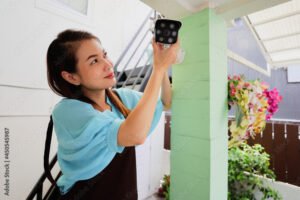
Secure the Premises: Ensure that all entry points, such as windows and doors, have sturdy locks. Consider installing a peephole in the front door and reinforcing sliding doors with a metal rod in the track.
Light Up the Home: Adequate lighting is crucial for deterring criminals. Installing motion-sensor lights around the exterior of the home is a good idea – ensure that all pathways and entry points are well-lit.
Eliminate Tripping Hazards: Keep walkways clear and ensure that all areas of the home are free from clutter that could cause falls. Use non-slip mats in the bathroom and install grab bars for added safety.
2. Personal Safety on the Go
Stay Visible:When out and about, seniors should stick to well-lit, populated areas. Avoid shortcuts through isolated parts of parks or unlit areas.
Carry a Cell Phone:Always have a cell phone handy with important numbers pre-programmed, including family members and emergency contacts.
Use a Personal Alarm: A simple, loud personal alarm can be carried in a pocket or attached to a keychain. This device can be used to scare off an attacker or alert others in case of an emergency.
3. Financial Security
Guard Against Scams: Educate seniors about the common scams that target them, including fraudulent phone calls and phishing emails. Remind them to NEVER share personal information like Social Security numbers or banking details online or over the phone. Also, be careful when clicking links inside text messages or emails.
Monitor Accounts: Regularly check credit card and bank statements for unauthorized transactions. Consider setting up alerts for unusual activity.
Secure Important Documents: Keep documents such as wills, insurance policies, passports, and other important documents in a secure location, such as a safe deposit box, a locked file cabinet, or a fire safe.
4. Social Well-being and Support Networks
Maintain Social Connections: Encourage seniors to stay engaged with friends, family, and community groups. Being socially isolated can make seniors more vulnerable to exploitation.
Emergency Response System: Consider subscribing to an emergency response service that offers a wearable emergency call button. This is especially useful for seniors living alone.
Regular Check-ins: Arrange for regular visits or phone calls to ensure they are safe and do not require any additional assistance.
5. Health and Medication Management
Medication Safety: Help manage medications to ensure they are taken correctly and stored safely. Use pill organizers and reminders to prevent missed or double doses.
Regular Medical Check-ups: Encourage regular visits to the doctor to manage health issues before they become emergencies.
Exercise and Nutrition: Promote a healthy lifestyle with regular strength exercises appropriate for their age and condition, along with a nutritious diet to boost their immune system and energy levels.
Conclusion: A Proactive Approach to Safety
Ensuring the safety of senior citizens requires a comprehensive approach that includes securing their living environment, protecting their finances, maintaining their social connections, and managing their health. By implementing these practical tips, caregivers can help create a safer, more secure, and happier environment for elderly adults, allowing them to enjoy their golden years with peace and confidence.