From Garden to Table: Cultivating Your Own Emergency Food Supply
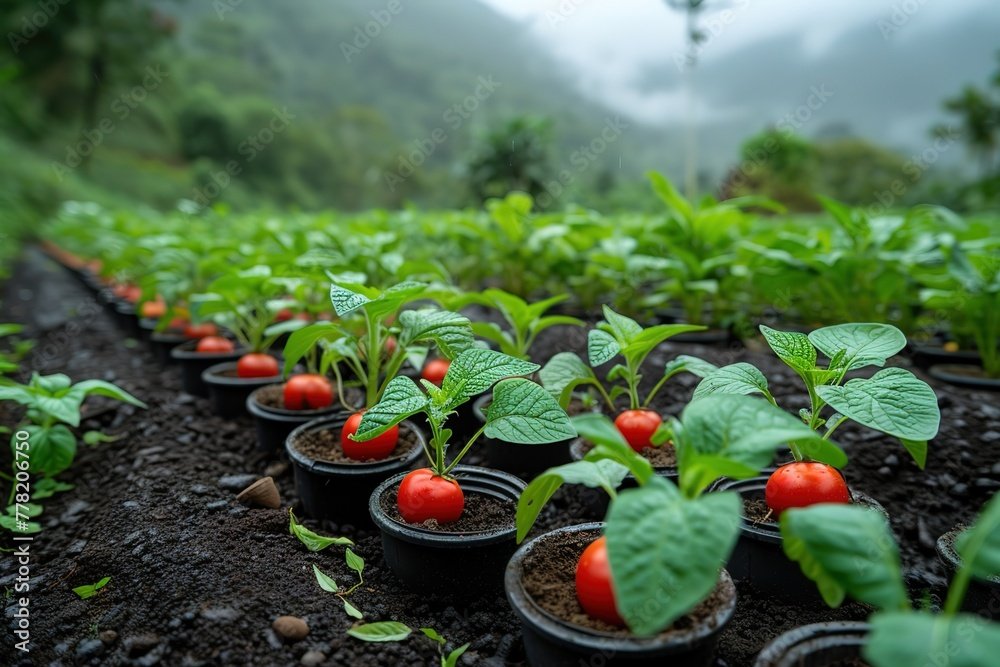
In an unpredictable world, the ability to sustain oneself independently is invaluable. Growing your own emergency food supply is not only a practical response to potential shortages but a rewarding endeavor that connects you directly to the source of your nutrition. This post will guide you through starting and nurturing a garden that can support you and your family during unforeseen circumstances.
1. Designing Your Emergency Garden
Effective garden planning is the foundation of your food security strategy:
Optimal Location Selection: Identify an area in your yard that receives ample sunlight (6-8 hours daily) and is shielded from harsh winds that could damage plants.
Choosing Suitable Crops: Prioritize crops that yield high calories and rich nutritional content, like potatoes, beans, and carrots. Including various herbs can also enhance the flavors of your meals.
Soil Quality Assessment: Understand your soil’s nutrient profile and pH by conducting a soil test. Enrich poor soil with organic compost to boost fertility and enhance water retention.
2. Indoor Seed Starting
Kickstart your garden early by sowing seeds indoors, especially if you’re in a cooler climate:
Seed Starting Setup: Utilize seed trays filled with a nutrient-rich starting mix to encourage healthy initial growth.
Lighting Conditions: Position your seedlings near a bright window or under artificial grow lights to ensure they receive adequate light.
Moisture Management: Keep the soil moist with regular misting, ensuring it’s damp but not soggy, to promote robust seedling development.
3. Moving Plants Outdoors
When your seedlings are ready and weather permits, it’s time to move them to your garden:
Acclimatization: Gradually introduce your seedlings to outdoor conditions by setting them outside in a protected area each day, slowly increasing their exposure to the elements.
Careful Transplanting: Handle the young plants gently during transplanting, making sure to maintain the root integrity and plant depth.
4. Garden Upkeep
A productive garden requires consistent attention:
Regular Watering: Establish a watering routine that hydrates the plants ideally in the morning or late afternoon to minimize evaporation.
Weed Control: Regularly remove weeds that compete with your crops for nutrients.
Natural Pest Solutions: Employ organic pest control strategies to keep harmful insects at bay without the use of harsh chemicals.
5. Efficient Harvesting and Storage
Maximize the benefits of your garden by harvesting correctly and storing produce effectively:
Timely Harvesting: Collect produce when ripe; frequent harvesting encourages more growth, especially for vegetables like tomatoes and peppers.
Appropriate Storage Techniques: Store each type of produce correctly; root vegetables do well in cool, dark environments, whereas many fruits and vegetables can be preserved through canning or freezing.
6. Extending the Life of Your Harvest
Preservation is key to ensuring your garden’s bounty lasts:
Preservation Methods: Techniques such as canning, freezing, and drying can significantly extend the usability of your harvest, providing you with a variety of eating options throughout the year.
Conclusion: Embracing Self-Sufficiency
Building and maintaining an emergency garden is more than a safeguard; it’s a step towards greater self-reliance and resilience. By taking charge of your food supply, you not only secure a source of fresh, healthy produce but also gain the satisfaction of self-sufficiency. Start with simple steps, and as your skills grow, so will the rewards of your garden.