Let’s focus on an issue close to the hearts of students and parents alike: campus safety. Heading off to college is an exciting journey, but it’s vital to prioritize your personal safety in this new and dynamic environment. Today, we delve into non-lethal defense options suitable for students and provide actionable tips for staying safe on campus.
Non-Lethal Self-Defense Options for Students
College campuses are bustling environments, and while they are generally safe, it’s crucial to be prepared for any situation. Here are some non-lethal self-defense tools and techniques that can help students feel more secure:
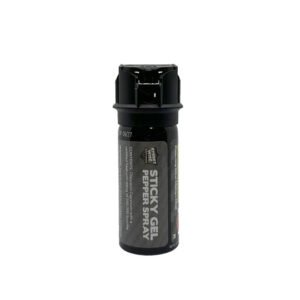
1. Pepper Spray: A popular and effective non-lethal weapon, pepper spray causes temporary blindness, difficulty breathing, and an intense burning sensation. It’s compact, easy to carry, and can incapacitate an attacker long enough for you to escape. Remember to check your campus policies and local laws regarding its carry and use.
2. Personal Alarms: These small, portable devices emit an ear-piercing sound when activated, drawing attention to your location and deterring potential attackers. Personal alarms can be attached to your keychain or backpack for easy access.
3. Tactical Flashlights: Not only useful for lighting your path, but a high-lumen tactical flashlight can also disorient an attacker, providing you with a crucial moment to escape or call for help.
4. Self-Defense Classes: Knowledge is power, and learning basic self-defense techniques can help boost your confidence and preparedness. Many colleges offer free or low-cost self-defense classes specifically designed for students.
Tips for Campus Safety
Enhancing your physical safety with non-lethal defense tools is just one aspect of staying safe. Here are additional tips to ensure your security on campus:
1. Stay Aware: Always be aware of your surroundings. Avoid walking with headphones in or staring at your phone, especially when walking alone at night.
2. Travel in Groups: There’s safety in numbers. Whenever possible, walk with friends or classmates, particularly during late hours.
3. Know Your Campus: Familiarize yourself with your campus layout, noting the locations of emergency phones, campus security offices, well-lit paths, and safe havens like libraries or student centers.
4. Use Campus Resources: Take advantage of campus safety services, such as escort services, safety apps, and shuttle buses, especially during nighttime.
5. Communicate Your Schedule: Share your class and activity schedule with close friends or family members. Let them know your typical routes and check in regularly.
6. Secure Your Belongings: Always lock your dorm room or apartment and never leave valuables like laptops or phones unattended, even in libraries or study areas.
7. Trust Your Instincts: If something in your immediate surroundings doesn’t feel right, trust your gut. Leave uncomfortable situations immediately and seek help if you feel threatened.
Conclusion: Empowerment Through Preparation
Staying safe on campus involves a combination of using non-lethal defense tools, adopting safety practices, and leveraging campus resources. By preparing yourself and staying informed, you can enjoy your college experience with greater peace of mind.
Remember, safety is not just about protecting yourself; it’s about creating a community where all students can feel secure. Share your knowledge with peers, participate in safety workshops, and contribute to fostering a safe campus environment.
Stay safe, stay informed, and make your college years not only memorable but secure. Your safety and well-being are our top priorities!