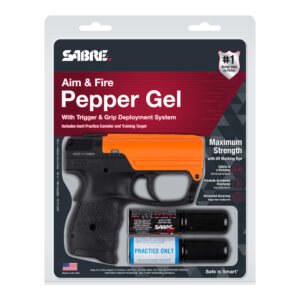
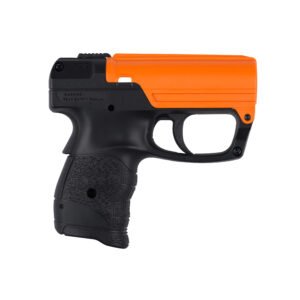
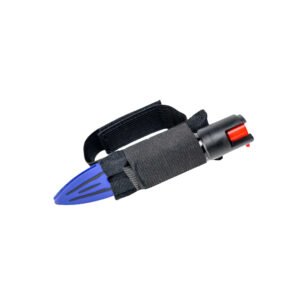
In the realm of personal safety, pepper spray stands out as a popular and effective self-defense tool. Known for its non-lethal yet incapacitating effects, it can provide individuals with crucial moments to escape dangerous situations. In this comprehensive guide, we’ll navigate through the legal landscape, storage tips, and usage techniques of pepper spray to ensure you’re equipped with the knowledge to use it responsibly and effectively.
Legal Considerations: Know Before You Carry
Before adding pepper spray to your self-defense arsenal, it’s important to familiarize yourself with local laws and regulations. The legality of carrying pepper spray varies widely from one region to another, and ignorance of the law is not a valid defense. Ensure that you understand the specific regulations regarding possession, size, strength, and usage within your area. Remember, responsible ownership starts with awareness and adherence to legal guidelines.
Storage: Keeping Your Pepper Spray Accessible and Secure
Proper storage of pepper spray is crucial to ensure its effectiveness when you need it most. Keep it in a cool, dry place away from direct sunlight and extreme temperatures, which can degrade the potency of the active ingredients. Equally important is accessibility; store your pepper spray in a place where you can reach it quickly in an emergency, but out of reach of children and unaware individuals.
Usage Techniques: Maximizing Effectiveness
Understanding how to use pepper spray correctly can significantly impact its effectiveness in a dangerous situation. Here’s a step-by-step approach to mastering the usage techniques:
1. Familiarize and Practice: Regularly practice with your pepper spray (using a water-based practice spray if available) to build muscle memory. Knowing how to quickly and accurately deploy it can make all the difference.
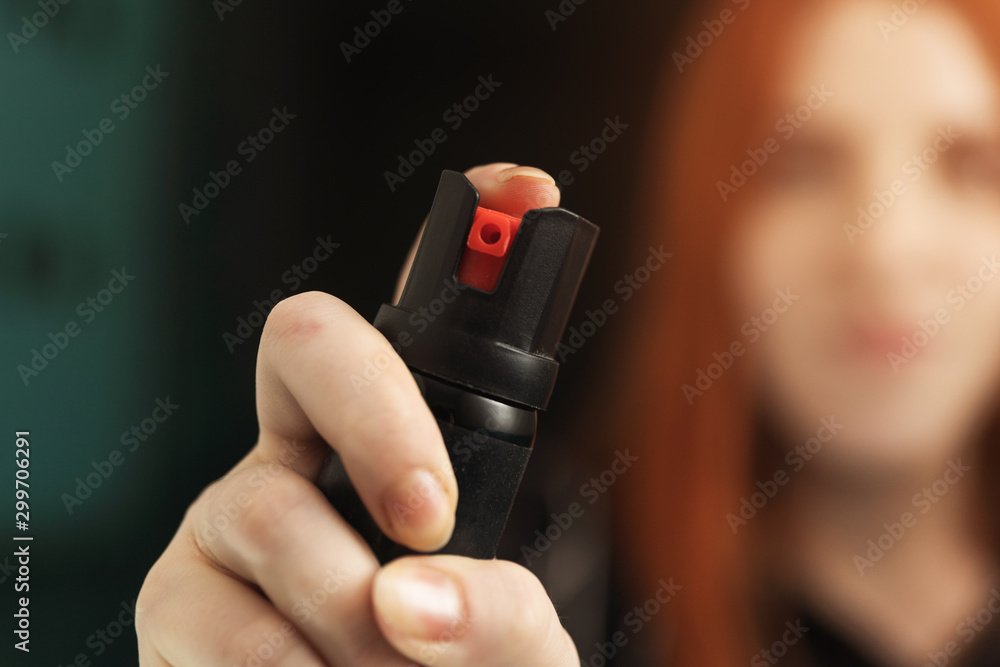
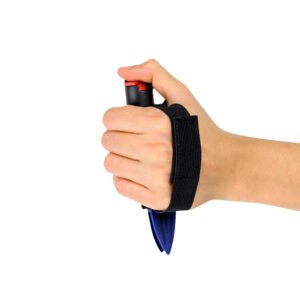
2. Grip and Stance: Hold the pepper spray firmly with your dominant hand, using a thumb-under and fingers-over grip for stability. Adopt a balanced stance, with your non-dominant hand outstretched to create distance between you and the attacker.
3. Aim and Spray: Aim for the assailant’s face, specifically the eyes and nose, as these are the most vulnerable targets. Press the actuator firmly to release a steady stream or spray, adjusting the angle as necessary to ensure maximum impact.
4. Move and Escape: After deploying the pepper spray, don’t stand still. Move away from the attacker to avoid retaliation or further confrontation. Use this time to seek safety and call for help.
5. Aftercare and Decontamination: If you or someone else is accidentally exposed to pepper spray, avoid rubbing the affected area, as this can exacerbate the pain. Flush the eyes and skin with cool water, and seek medical attention if symptoms persist.
Conclusion: Empowerment Through Preparedness
Pepper spray can be a valuable component of your personal safety strategy, offering a means of self-defense that is both effective and non-lethal. However, its efficacy is significantly influenced by your knowledge of the legal framework, proper storage practices, and correct usage techniques. By arming yourself with this information, you can navigate potentially dangerous situations with greater confidence and control.
Remember, the ultimate goal of using pepper spray is to create an opportunity for escape and to seek help. It’s not about confrontation but about empowerment and safety. Stay informed, stay prepared, and approach your personal safety with the seriousness it deserves.